
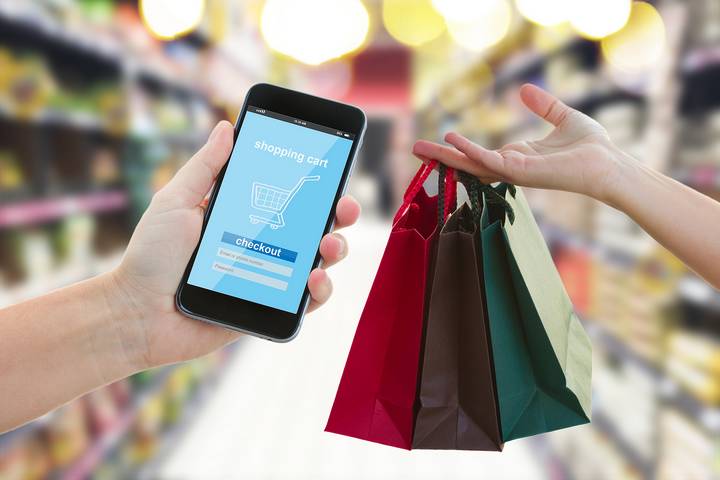
The retail industry is changing significantly because of technology. Innovations based on consumer needs and market changes are transforming how retailers operate. Retailers are finding new ways to connect with customers and improve their processes, from online shopping to in-store technology.
Consumers increasingly want convenience and personalized experiences. As a result, the retail scene is rapidly evolving. Customers expect a smooth shopping experience, whether online or in-store. Technology helps bridge this gap, allowing retailers to create more engaging shopping experiences.
Let’s look at the top technology trends impacting the retail sector and how to stay ahead in this evolving environment.
E-commerce Integration
E-commerce is not slowing down. More customers prefer online shopping for its convenience. Retailers are improving their online platforms by adding features that enhance user experience, such as advanced search options, personalized recommendations, and easy payment solutions.
Traditional stores are also embracing e-commerce. Many are introducing click-and-collect services, letting customers shop online and pick up their items in-store. This trend offers a seamless shopping experience that combines the best aspects of both online and in-person shopping. Retailers are also using new software to manage these operations effectively.
Digital Signage Software
Digital signage software is a powerful tool for retailers. It lets them display attractive visuals and important messages directly to customers. For example, you might enter a store where bright displays catch your eye, showcasing special promotions or new products. Digital signage changes how information is shared, creating an interactive shopping atmosphere.
Retailers can update these displays in real time, enabling quick responses to trends or inventory changes. If a new product arrives or a promotion needs to be extended, updating the signage is fast and easy. This quick communication keeps the store lively and encourages customer interaction.
Additionally, digital signage can help customers navigate the store, making their shopping experience smoother. By placing screens in strategic locations, shoppers can easily find what they need, leading to a pleasant experience that encourages them to return.
Artificial Intelligence
Artificial intelligence (AI) is changing retail in significant ways. AI chatbots improve customer service by providing quick answers to questions, allowing retailers to assist customers 24/7. AI also analyzes shopping patterns to give personalized recommendations, making each shopping experience unique.
AI is helpful in inventory management too. It predicts stock needs based on previous sales data, ensuring retailers have the right products when needed. This smart system reduces waste and increases profits, showing how technology can enhance efficiency.
Augmented Reality
Augmented reality (AR) is becoming popular in retail. AR apps help customers see how products would look in their own spaces before buying. For instance, furniture stores use AR to show how a couch fits in a customer’s living room, reducing doubts when choosing the right piece.
This experience isn’t just for furniture. Clothing stores are also using AR, allowing customers to virtually “try on” clothes. By using their device’s camera, shoppers can see how different outfits look without going to a fitting room. AR makes shopping more engaging and helps customers feel confident about their choices.
Mobile Payment Solutions
Mobile payment solutions are growing in popularity due to their convenience. Shoppers enjoy paying quickly from their devices. Retailers are adopting various mobile payment options to speed up checkout. Apps like Apple Pay and Google Wallet let customers pay easily without using cash or cards.
Mobile payment options also help retailers with loyalty programs and discounts. Retailers can instantly reward customers, improving their shopping experience and building brand loyalty. As more customers use mobile payments, retailers need to keep up with these technologies.
Data Analytics
Retailers now have access to a lot of data, and using this information is important. Data analytics help retailers understand what customers prefer, how they shop, and current market trends. This insight allows retailers to make better decisions and tailor their marketing.
By analyzing inventory and sales data, retailers can adjust their strategies to increase profits. Data analytics tools show which products customers like and which ones need changes. In retail, having data is key to staying competitive.
Adopting these technology trends helps retailers work more efficiently and create a better shopping experience for customers. When retailers use the right tools and strategies, they can stay ahead of the competition and meet changing shopper needs.


